How third-party consultation helps capital planning turn into real action—not a report that sits on a shelf.
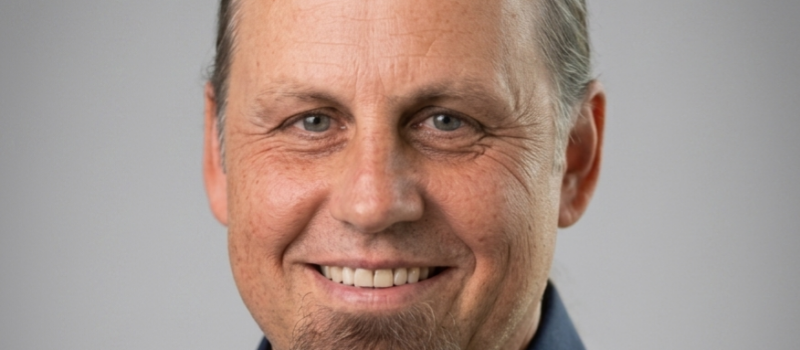
A story, in Brit Vipham’s words. Brit is the Director of Plant Operations at The Admiral at the Lake in Chicago.
When people ask me about our experience working with zumBrunnen, I usually start by saying this: I didn’t go into it as an easy sell.
I actually came from the consulting side myself. I had worked with a competitor before. So, I was probably one of the bigger skeptics walking into the process. In my mind, capital reserve planning looked like a very familiar pattern—a 100-page report, a ton of data, and then it sits on a shelf.
That’s not what happened here.
What stood out immediately—and what still stands out to me today—was trust.
“That third-party perspective that they (zumBrunnen) were able to bring, and their industry knowledge, is beyond anything that anyone in-house could have ever accomplished on our own.”
And that trust wasn’t just with me. It mattered just as much with our board, our residents, and our leadership team.
Why We Needed a Different Approach to Capital Planning
At The Admiral at the Lake, our residents are extremely engaged. Our board is engaged. Our leadership team is engaged. That’s a good thing, but it also means you have to be very thoughtful about how you plan, how you communicate, and how you justify decisions around capital.
Capital planning isn’t theoretical for us. It directly impacts resident experience, long-term financial health, and credibility with stakeholders.
What we needed wasn’t just a technical assessment. We needed someone who could really understand us.
That’s where Gary came in.
What Felt Different From the Start
Gary didn’t just come in, walk the building, and leave.
He took the time to get to know us on a deeper level than I’ve ever experienced.
“He actually stayed in one of our guest suites… really immersing himself in the culture and getting to see every nook and cranny of the building.”
That mattered more than I can probably put into words. He was living among the community. He was seeing how the building functioned day-to-day. And because of that, he wasn’t just looking at equipment, but was understanding context.
He also built relationships quickly and intentionally.
We had lunches that included board members, our resident association president, and members of the C-suite. He listened to pain points. He asked questions.
“He really took the time to get to know us and listen… his level of curiosity with stakeholders beyond just staff was very impressive.”
That willingness to listen is what gave him a perspective far beyond what you get from drawings, tags, or useful-life tables.
Organization, Preparation, and Respect for Our Time
I’m used to robust document collection. That wasn’t new. What was different was how prepared he was before he ever stepped on site.
“I was just very impressed with how organized he was coming into the process. He actually looked at the documents in advance instead of waiting until he was on site and asking for 30 more things.”
That level of preparation made the on-site time incredibly efficient. It respected our time. It made the entire process smoother.
From start to finish, the project felt thoughtful—not rushed, not disjointed.
The Report That Didn’t Sit on a Shelf
Here’s where my skepticism really shifted.
One of the big differentiators for us in selecting zumBrunnen was understanding that this wasn’t just going to be a static report.
“Not only do we get this robust report, but we have a live portal that we’re able to access and update in real time. And that is huge.”
That changed everything.
Instead of point-in-time data, we had something with a much longer useful life.
“This provides a much longer useful life, and we’re in it all the time now.”
When we brought on a new controller, I was able to show her the system right away. She was genuinely excited about how much data was right at our fingertips and how easily we could work with it.
And honestly, compared to spreadsheets?
“The fact that they have a portal…more than just Excel spreadsheets…is far above the competition, that’s for sure.”
Why the Portal Matters in Real Life
From a day-to-day standpoint, the portal improved how we work in very tangible ways.
Continuity that doesn’t depend on one person
“If one person is managing a spreadsheet, it can live and die in a documents folder. When we’re working off a software in the cloud… anyone can maintain the system.”
That’s huge for continuity planning.
Usability that saves time (and frustration)
“It’s so easy to use. It’s so user friendly… three or four clicks of a button versus 12 different Excel formulas and pivot tables.”
I don’t need to go to our CFO to build custom reports anymore. I can sort data by asset category, by year, by priority and do it quickly.
Better communication for different stakeholders
And because our stakeholders are so engaged, that flexibility matters.
“The presentation we gave to the board was much different than the one we give to residents and staff… having the data in a portal allows us to customize the level of detail we want to share.”
From Risk Anxiety to Peace of Mind
Even with a fully staffed team…which is hard to come by these days…capital planning can easily get pushed down the list. There’s always something urgent.
“I could easily see this being the thing that gets put off.”
Having the right partner created accountability.
“There is that peace of mind of how we go to bed at night knowing we have the right partner alongside us.”
That peace of mind comes from knowing we’re budgeting properly, planning responsibly, and not setting ourselves up for future surprises.
Using Data to Advocate for What We Actually Need
One of the biggest tangible outcomes of this work was how it helped us advocate for funding.
“It’s a great tool to be able to advocate to your board why additional funds are needed.”
We were able to move from roughly a $3.5 million capital spend to $8.75 million.
That’s not a small shift and it doesn’t happen without data.
“The data helped get us there.”
And just as importantly, it helped build trust.
“It’s very obvious to a board member that you brought in a professional who knows what they’re doing.”
How Often This Work Should Be Done
For us, a three-year cadence made sense.
“Three years feels right… it keeps its utility and doesn’t just sit on the shelf.”
Facilities age. Conditions change. Capital planning has to evolve with them.
Looking Back: From Skeptic to Advocate
If I had to sum up my experience, it’s this: I went in skeptical, and I came out genuinely impressed.
“Once Rob showed me the software, it quickly put any worries to rest.”
And beyond the tools, it was the people.
“The level of professionals on staff… it brought so much confidence to residents and board.”
That confidence is invaluable.
“The zBi team really came through for us!”
For organizations considering this journey, my advice is simple:
“It’s worth a conversation.”
Because when third-party consultation is done right—when capital planning is proactive, transparent, and grounded in real understanding—it stops being a burden and starts becoming a strategic advantage.