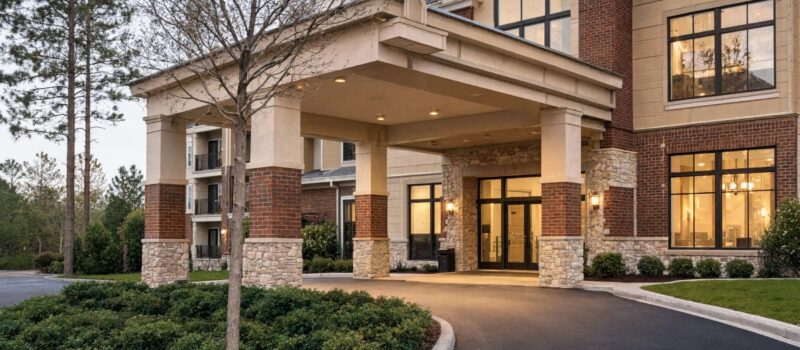
In the senior living real estate market, property value is about far more than location or aesthetics. It’s also about performance, safety, and longevity. A property condition assessment (PCA) gives investors, owners, and operators the comprehensive insight needed for property valuation to make confident financial decisions. For senior living properties where compliance, resident safety, and building integrity are paramount, a detailed assessment can make the difference between a high-value asset and a costly liability.
Understanding What a Property Condition Assessment Is
A property condition assessment is a professional evaluation of a facility’s physical systems and components, from roofs and HVAC systems to electrical, plumbing, and structural integrity. In the senior living sector, these assessments go beyond the basics. They evaluate specialized areas such as nurse call systems, ADA accessibility, kitchen and dining operations, and infection-control ventilation. These are factors that have a direct impact on resident well-being and regulatory compliance.
A PCA offers a snapshot of current conditions and a forecast of near- and long-term capital needs. This detailed documentation gives both buyers and sellers a transparent understanding of the property’s real value and how it will perform over time.
How Facility Condition Assessments Strengthen Property Valuation
A facility condition assessment (FCA) serves as a critical complement to a PCA by quantifying the property’s maintenance backlog and remaining useful life of major systems. In senior living environments, where mechanical systems operate continuously, even small inefficiencies can translate into significant financial impact.
An FCA informs valuation in several key ways:
- Identifies deferred maintenance that may reduce appraised value or require concessions during sale negotiations
- Supports accurate capital expenditure forecasting, improving underwriting confidence for lenders and investors
- Highlights code compliance issues that could affect licensing or occupancy
- Validates operating efficiency, an essential factor for buyers evaluating net operating income
When an FCA reveals a well-maintained building with minimal deferred maintenance, appraisers and investors typically assign a higher valuation. Conversely, findings of outdated systems or structural deficiencies can lead to downward adjustments or increased capitalization rates to offset risk.
Facility Condition Analysis: Turning Data Into Decision Power
While assessments provide the data, a facility condition analysis interprets that information in the context of long-term financial performance. The analysis consolidates findings into actionable insights, often visualized through condition indices, replacement schedules, and cost models.
For example, a facility condition analysis of a 25-year-old assisted living community might show:
- Roof and HVAC systems nearing end of life
- Elevator modernization required within three years
- Kitchen exhaust and fire suppression systems needing upgrades for code compliance
- 15% of resident bathrooms requiring ADA adjustments
Each of these findings carries capital implications that influence value. Properties with clearly defined replacement plans and verified funding mechanisms typically appraise higher than comparable assets with unknown or unplanned future costs. Investors view transparency and proactive capital management as signs of operational maturity and lower risk.
Why Property Condition Analysis Matters to Investors
A property condition analysis brings together the physical and financial dimensions of an investment. For lenders, it validates that projected cash flow can support ongoing capital needs. For buyers, it establishes negotiation leverage and future cost expectations. For existing owners, it protects portfolio value by preventing small issues from becoming capital emergencies.
In senior living, where physical plant reliability directly affects resident safety and brand reputation, the stakes are even higher. An accurate property condition analysis ensures:
- Informed acquisition decisions based on real, not assumed, asset health
- Reduced risk exposure through early identification of system vulnerabilities
- Improved refinance or sale outcomes due to verifiable maintenance histories
- Alignment with insurer and lender expectations, often resulting in better terms and rates
These benefits contribute directly to net asset value. A well-maintained, properly documented property commands reduced liability and a stronger position in the market.
Integrating Property Valuation Into Your Capital Planning Strategy
For portfolio owners and operators, a single facility condition assessment is valuable, but incorporating assessments into ongoing capital planning yields exponential benefits. Aligning PCAs, FCAs, and capital reserve forecasts provides a full-spectrum understanding of asset health.
Best practices include:
- Schedule recurring assessments every three to five years or before major refinancing events.
- Use consistent methodology across properties to compare performance and prioritize investments.
- Integrate findings into your financial models and maintenance software for continuous visibility.
- Partner with experienced assessors who understand the specialized systems of senior living environments.
This disciplined approach helps organizations maintain stable valuations, reduce emergency repairs, and strengthen their long-term investment position.
Conclusion: Clarity Builds Confidence and Value
In the senior living industry, where trust, safety, and performance define success, property assessments are essential. A thorough property condition assessment provides the factual foundation for accurate valuation and smart capital planning.
By turning complex technical data into actionable investment insight, these assessments protect portfolios, enhance lender and investor confidence, and ensure that every property is valued as an asset built to serve residents and deliver sustainable returns.
If you’re preparing to buy, sell, or refinance a senior living property, invest in clarity first. A professional assessment today can safeguard millions in future value.